Mastering the Sneeze: Top Tips for Relief and Respiratory Health
Have you ever been caught off guard by an unexpected sneeze, leaving you in a fit of uncontrollable laughter or, worse, a wave of embarrassment? Sneezing fits can strike at the most inconvenient times - during a presentation, on a first date, or even while enjoying a lovely meal with friends. The reality is, sneezes are a natural part of our body's immune response, yet they can be a nuisance, especially if triggered by seasonal allergies or colds. In this blog, we'll explore effective techniques for instant sneeze relief, so you can wave goodbye to those sneezy situations and reclaim your comfort and confidence.
First things first, let’s talk about what triggers a sneeze. Allergens like pollen, dust, and pet dander can send your immune response into overdrive, which ultimately leads to nasal irritation and, let’s face it, a rather embarrassing moment when a sneezing fit hits. If you find yourself struggling with frequent sneezes, in addition to allergy symptoms like itching and sinus pressure, it might be time to consider preventative measures, such as investing in a sneeze guard for your desk or regularly cleaning your living space to minimize these sneeze triggers. Have you examined your environment lately to identify potential culprits?
When a sneeze is imminent, we often find ourselves reaching for tissues, but that isn’t the only option for sneeze relief. One effective technique is to apply pressure to your upper lip or massage the bridge of your nose when you feel that familiar tickle. This not only helps you regain control but can also ease nasal irritation and even stave off the sneeze entirely. Have you tried this quirky trick before? You might be pleasantly surprised by the results!
Hydration is another key player in maintaining respiratory health and preventing those pesky sneezes. Keeping your body well-hydrated helps thin mucus secretions and flush out allergens that may contribute to sneezes and cold symptoms. Herbal teas, plenty of water, and delicious broths not only help with hydration but can also boost your immune system. What are your go-to hydration favorites? If you haven’t considered a warm lemon tea with honey, you might be missing out on a soothing solution!
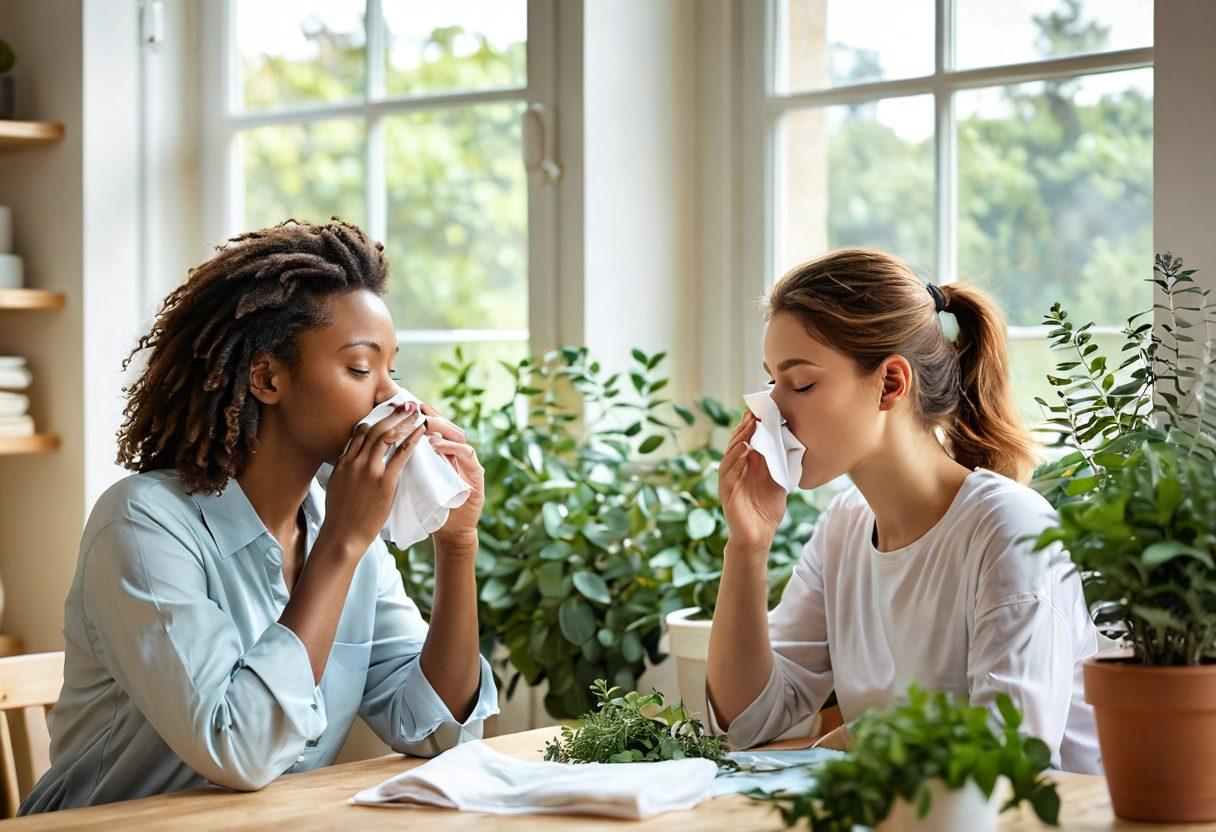
Finally, let’s touch on sneeze hygiene. It sounds simple, yet many forget the importance of this practice. Covering your mouth and nose with your elbow can help minimize the spread of germs and ensure that, when the urge to sneeze arises, you’re doing your part to protect those around you. It’s about being courteous and keeping everyone in your circle healthy. So next time you feel that tickle coming on, ask yourself: how can I transform this sneeze response into a moment of good sneeze hygiene? With the right techniques and awareness, you can conquer sneezing fits and enhance your respiratory health, one sneeze at a time.
Understanding Your Sneezes: Allergy Symptoms and How to Combat Them
Have you ever been driving peacefully down the road, only to be interrupted by an unexpected sneeze? It's a familiar scene for many, yet our sneezes hold more meaning than just a sudden urge to clear our noses. Understanding your sneezes can serve as a vital clue to your respiratory health. From allergy symptoms to cold symptoms, knowing what your body is trying to tell you can empower you to combat discomfort effectively. So, let’s dive into the world of sneezing and uncover the important connection between those urges and our immune response.
Sneezing fits aren't just a nuisance; they may indicate underlying issues like seasonal allergies or nasal irritation. Have you ever wondered why certain environments trigger a sneeze response? For some, it could be pet dander in their own living room or pollen wafting through an open window during springtime. Our bodies react in surprising ways, and these allergy symptoms serve as alarms notifying us of potential threats. Armed with this knowledge, we can refine our sneeze relief tactics and maintain better respiratory health all year round.
It's essential to adopt proper sneeze hygiene, especially in our post-pandemic world. Remember the concept of a sneeze guard? It's not just for restaurants anymore! Protecting those around you when you feel a sneezy moment coming on is a matter of respect and responsibility. Opt for a tissue or your elbow, and wash your hands afterward. A conversation about the tried-and-true sneeze etiquette can indeed ward off many misunderstandings and enhance our social interactions. Have you used the elbow technique yet? If not, give it a try next time!
Moreover, addressing the triggers behind your sneezes can be a transformative step in embracing a sneeze-free lifestyle. Let’s not forget about those uncomfortable moments of sinus pressure or the endless cycle of congestion that often accompanies allergy season. Keeping track of what makes you sneeze, whether it’s dust, smoke, or other irritants, can help you tighten your sneeze guard against unwelcome guests. And don’t hesitate to consult with healthcare professionals if your sneezing fits become too frequent or painful; they’re trained to help you navigate through these challenges.
In the grand scheme of things, our sneezing symptoms signal intricate workings of our immune response, alerting us to possible threats to our respiratory health. Whether it's seasonal allergies or the common cold, tuning into these signs paves the way for smarter decisions regarding our environments and health habits. So next time you feel that tickle in your nose, remember: it’s more than just a sneeze. It’s your body engaging in a conversation, one that you definitely want to understand better. So, how will you respond?
Boost Your Respiratory Health: Essential Tips for Sneeze Relief and Prevention
Ah, the sneeze – that involuntary, yet unmistakable, physical reaction our body often unleashes at the most inconvenient moments! One moment you’re enjoying a lovely spring day, and the next, *ACHOO!* There goes your peaceful afternoon! But let’s be honest, sneezing isn’t just about the surprise and the chaos; it often links back to broader concerns: respiratory health, allergy symptoms, and that pesky nasal irritation that plagues so many of us. How can we navigate these sneezing fits and strengthen our immune response? Let’s dive into some essential tips for sneeze relief and prevention to help you breathe easier and enjoy life a little more!
Have you ever thought about what triggers your sneezes? Common sneeze triggers can include dust, pollen, or even sudden changes in temperature. For many, seasonal allergies are the source of constant nasal irritation and sneezing fits. Identifying your specific sneeze triggers is the first step in better sneeze hygiene. Create a sneeze guard around your living space by using air purifiers, keeping windows closed during high pollen counts, and regularly cleaning your home. By taking these small steps, you can drastically reduce the factors that may spark that infamous sneeze response!
Now, let’s chat about prevention. Strong respiratory health is critical, especially if you're prone to colds or have seasonal allergies that can lead to increased sneezing. Regular exercise, a balanced diet rich in fruits and vegetables, and staying hydrated can play a huge role in bolstering your immune system. Add in some vitamin C, whether through supplements or citrus fruits, and you might just find yourself sneezing less while building a fortress against cold symptoms! And remember, a healthy lifestyle is about consistency, so make small, continuous changes instead of drastic ones.
Sneeze relief can also be managed through simple home remedies. Have you heard of the power of a warm compress? Applying a warm, damp cloth over your nose and forehead can ease sinus pressure and help relieve those allergy symptoms that make you feel sneezy. Another great practice is saline nasal sprays, which help keep your nasal passages moisturized and can soothe irritation. It's important to be equipped with remedies that suit your needs, so experimenting until you find what works for you is crucial.
Lastly, it’s essential to practice good sneeze hygiene. Whether we’re at home or in public spaces, we have a responsibility to those around us. Always cover your mouth and nose with a tissue (or your elbow if you’re sans tissue) when you feel a sneeze coming on. This simple act helps contain the spread of allergens and viruses, respecting others’ respiratory health as well. So, take a moment, assess your sneeze triggers, implement these sneeze relief strategies, and breathe easy knowing you’re on the path to sneeze-free living!